Moss, Lichen and Algae on Cork Roofs
Why Lee Valley Damp Grows Green Roofs in Bishopstown and Wilton — and How to Clean Slate Safely
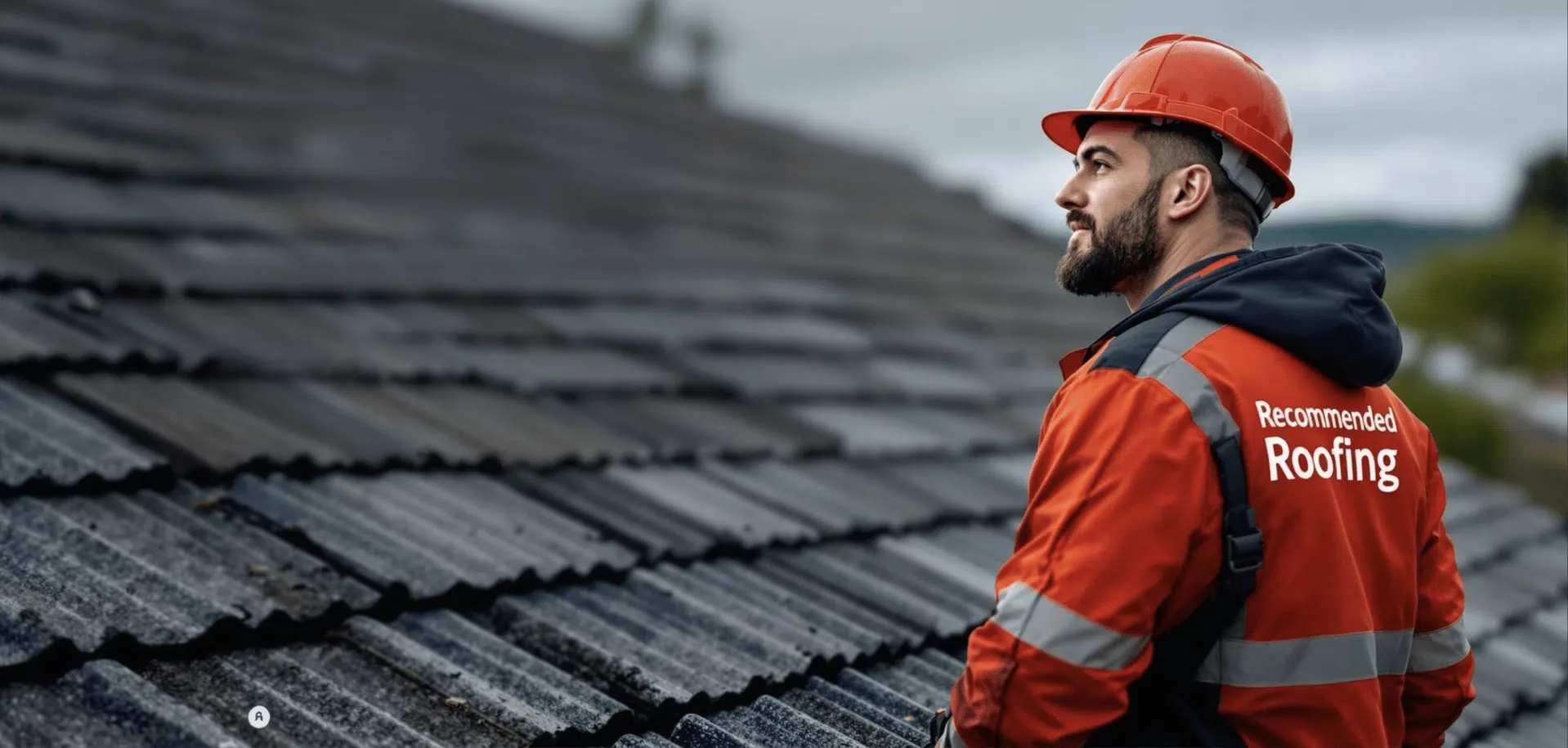

Why Lee Valley Damp Grows Green Roofs in Bishopstown and Wilton — and How to Clean Slate Safely
Got a green, mossy roof in Bishopstown, Wilton, Bishopstown Court, Glasheen or the Lee Road? The short answer: your slate is holding moisture because you're sitting in the Lee Valley damp belt, and you should have it soft-washed (low-pressure biocide treatment, roughly €450–€900 indicative for a semi-D) — not power-washed. Aggressive pressure washing snaps slate nail-heads, strips the natural surface, and turns a €600 clean into a €4,000+ repair bill. If you want a straight assessment, call 021 2040925 for a free inspection and fixed-price quote.
That's the whole answer. The rest of this article explains why Cork's north-side and west-side suburbs grow moss so aggressively, when moss is cosmetic versus when it's telling you the roof is failing underneath, and exactly how a slate roof should be cleaned without wrecking it.
Cork city sits in a bowl. The Lee Valley runs east–west through the middle of it, and the sheltered pockets north and west of the river — Bishopstown, Wilton, Glasheen, Ballincollig, Model Farm Road, Bishopstown Court, parts of Togher — trap cool, damp air for weeks at a time. Add roughly 1,200mm of annual rainfall (about 20% wetter than Dublin), mild winters that rarely drop below 2°C, and mature tree cover from the UCC grounds and the Lee Fields, and you have the perfect greenhouse for biological growth on slate.
North-facing slopes are the worst offenders. A north-pitched slate roof in Wilton can stay damp for 60–90% of the daylight hours from October to April. Moss (Bryum and Grimmia species mostly), lichen (crusty grey-green patches) and algae (the black streaks) all need three things: moisture, low UV, and a rough surface to grip. Weathered Blue Bangor and Spanish slate offer all three after about 25 years.
Homes in Ballinteer or Sandyford on Dublin's south side, by contrast, get more sun exposure and drier easterly winds. Same slate, half the growth. It's not your imagination — Cork roofs genuinely grow more of the green stuff.
Honestly? Both, depending on how bad it is. Here's the plain version:
The bigger warning sign most homeowners miss: heavy moss on only one slope, when the other slopes are clean. That usually means the loft below that slope is under-ventilated, condensation is soaking the slate from underneath, and the moss is thriving on constantly-damp material. In that case, cleaning the roof without fixing the ventilation is throwing money away — it'll be back inside 18 months.
If you're seeing that pattern, or dark patches on your bedroom ceiling below the mossy slope, book proper Cork roof repairs before you spend a cent on cleaning.
This is where most damage happens. A lad turns up with a petrol pressure washer, blasts the roof for a morning, and it looks brilliant for six months. Then the leaks start. Here's what's actually happening:
Pressure washing (2,000+ PSI) does four bad things to a slate roof:
Soft-washing is the correct method. It uses a low-pressure sprayer (under 100 PSI, about the pressure of a garden hose) to apply a biocide — usually a sodium hypochlorite or benzalkonium chloride solution — that kills the moss, lichen and algae at the root. The dead growth then weathers off naturally over the following 3–6 months. No mechanical force on the slate.
For heavy moss, we'll physically scrape the thick cushions off first with a plastic tool (never metal), clear the gutters and valleys, then apply the biocide. The whole job on a typical Bishopstown semi-D takes half a day.
Indicative pricing (2024 Cork market):
| Job | Indicative Cost |
|---|---|
| Soft-wash treatment, 3-bed semi-D | €450–€750 |
| Soft-wash + moss scrape, heavy growth | €650–€900 |
| Soft-wash + gutter clean + ridge check | €750–€1,100 |
| Ridge repointing (if needed after) | €1,500–€3,000 |
Confirm exact rates with us — every roof is different and access matters a lot (scaffolding vs ladders vs cherry picker changes the number).
I mentioned this above but it's worth its own section because we see it constantly in the 1970s–1990s estates around Wilton, Bishopstown and Model Farm Road.
If your attic has been converted, insulated over the ceiling without matching eaves ventilation, or had spray foam applied to the rafters, the slate above is now cold on the outside and cold-and-damp on the inside. Warm moist air from the house rises, hits the cold underside of the slate, condenses, and keeps that slate permanently wet. Moss loves it.
The tell-tale signs:
Fixing this properly means adding eaves vents, tile vents or a ridge vent, and sometimes removing spray foam. It's not cheap — usually €1,200–€2,500 — but cleaning the roof without addressing it is genuinely pointless. Our residential roofing service covers ventilation upgrades as part of any moss remediation where we spot the underlying issue.
Here's exactly how we approach a mossy slate roof in Bishopstown or Wilton:
You can see examples of before-and-after work across our gallery of completed Cork and Munster roofing projects.
For most homes in the Lee Valley damp zone — Bishopstown, Wilton, Glasheen, Ballincollig, Blackpool north of the city — plan on a proper soft-wash every 4–6 years, with an annual gutter clean in between. Coastal homes in Little Island or Glanmire get more salt spray but less shade, so intervals stretch to 6–8 years. Homes overhung by trees (Model Farm Road, parts of Bishopstown Court) need cleaning every 3–4 years.
If you want a rough figure for planning, our roofing cost calculator will give you a ballpark for cleaning and repair work combined.
Will moss come back after cleaning? Yes, eventually. Biocide treatment kills existing growth and slows regrowth for 3–5 years, but Cork's climate means it will return. Annual light maintenance treatments (about €200–€300) keep it under control indefinitely.
Can I clean my own roof with a garden sprayer and bleach? Technically yes, practically no. Roof work is a fall risk, you'll damage planting below, and consumer bleach concentrations either don't work or wreck lead flashings. It's not worth the A&E trip.
Does moss actually cause leaks? Thick moss (30mm+) at slate laps and in valleys does cause leaks, yes — it holds water against the slate and wicks it sideways past the head-lap. Light algae streaking does not.
Are zinc or copper strips worth fitting? On a Cork roof, marginally. A zinc strip below the ridge releases small amounts of metal salts that inhibit moss growth on the slopes below. Effect is real but modest — expect maybe 30–40% slower regrowth, not a miracle. Cost is usually €300–€500 fitted.
Should I clean my roof before selling the house? Absolutely worth it. A clean slate roof adds visible kerb appeal and stops surveyors flagging "significant biological growth" on the report, which spooks buyers unnecessarily. €600 spent here often protects thousands on the sale price.
Is soft-washing safe for old Blue Bangor slate? Yes, when done at correct dilution and pressure. Blue Bangor and Killaloe slates handle biocide treatment fine. Pressure washing them is a disaster — they're softer than Spanish slates and delaminate faster.
---
If your roof in Bishopstown, Wilton, Glasheen, Ballincollig or anywhere across Cork city has gone green and you want an honest look at what it actually needs — cleaning, repair, or ventilation work — get in touch for a free inspection and fixed-price quote. Call 021 2040925 or request a quote through our contact page and we'll come out within a few days.
Nearby areas we cover
Roof Repairs in Cork, Ireland. Free survey, written fixed-price quote, 10-year guarantee.