Roof Re-felting: Replacing the Layer That Keeps the Water Out
Re-felting means taking off the worn waterproof layer of a roof and putting a new one down. What that layer is depends on the roof. On a flat roof it is the felt or membrane itself, the whole waterproof skin. On a pitched roof it is the underlay under the slates or tiles, which catches the water that gets past them and carries it to the gutter. When either one fails, the roof leaks, even if the covering on top looks fine.
Flat roofs: felt, rubber or fibreglass
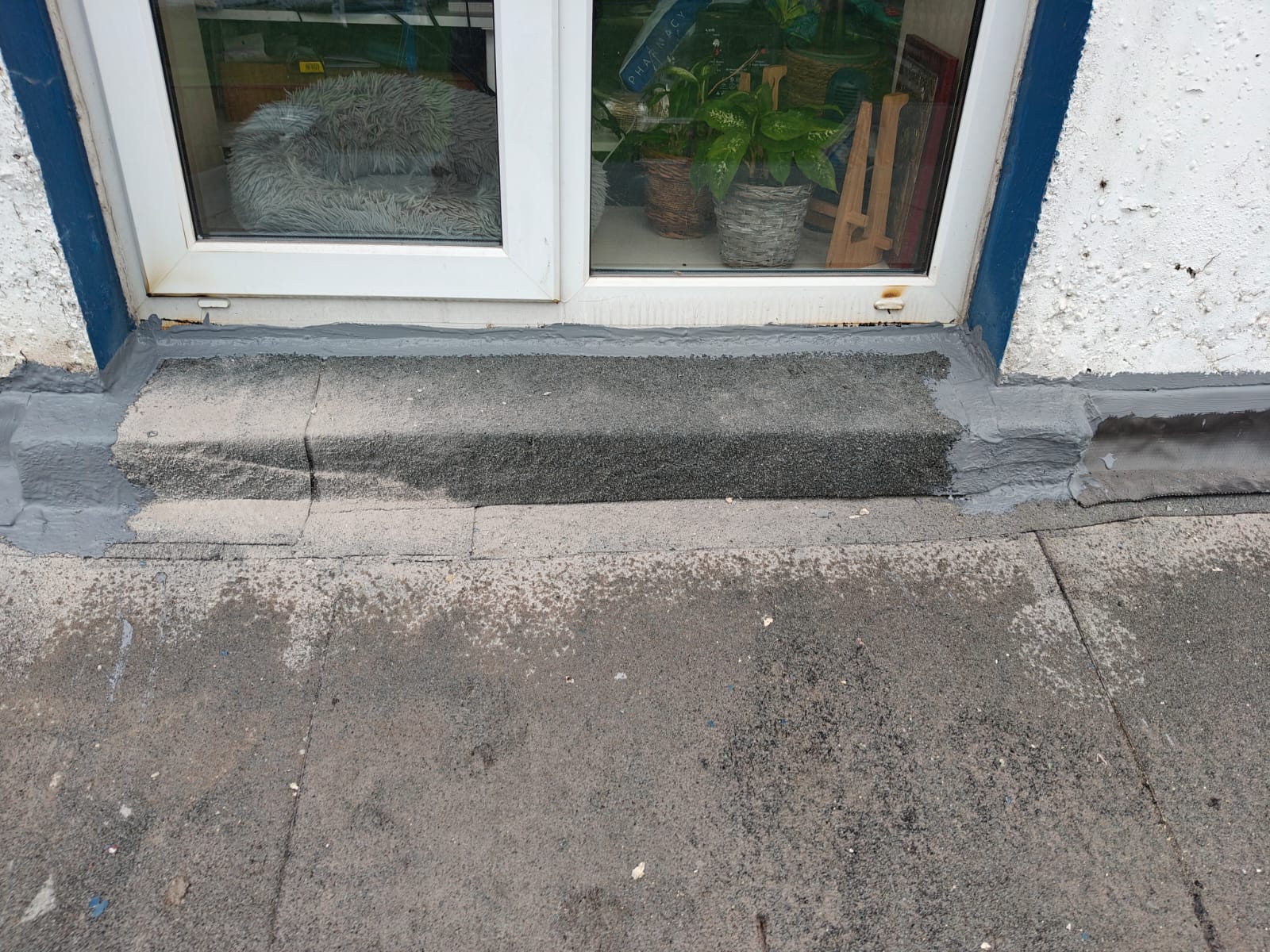
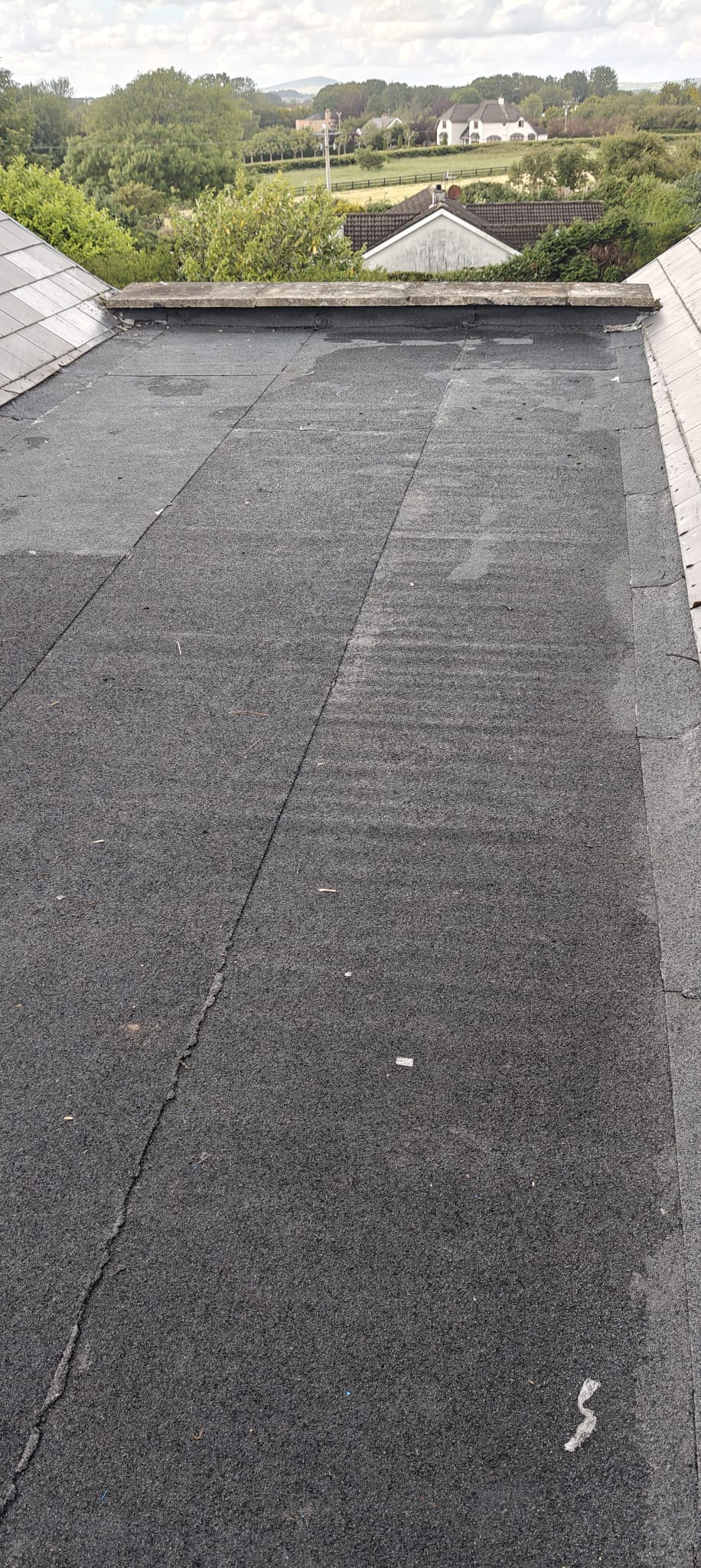
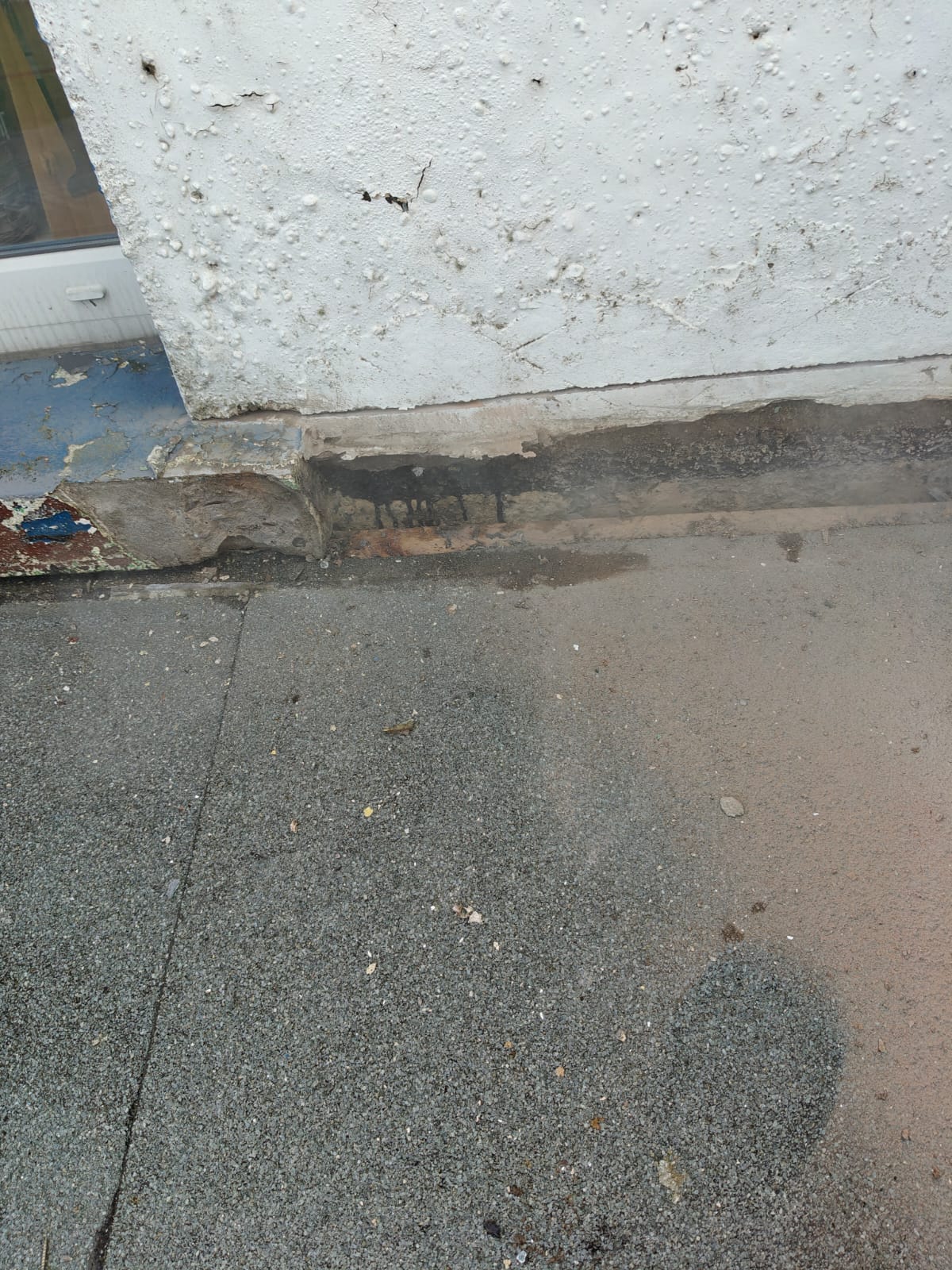
Old built-up felt on a flat roof usually fails at the seams, at the upstands and where water ponds. We can re-felt in torch-on felt where it suits the roof and the budget, but on most extensions, garages and dormers we recommend EPDM rubber or GRP fibreglass, which have far fewer joints and last longer. We tell you the honest difference at the survey and price the options side by side. See our flat roofing service for the full systems.
Pitched roofs: new underlay and battens, then the covering back on
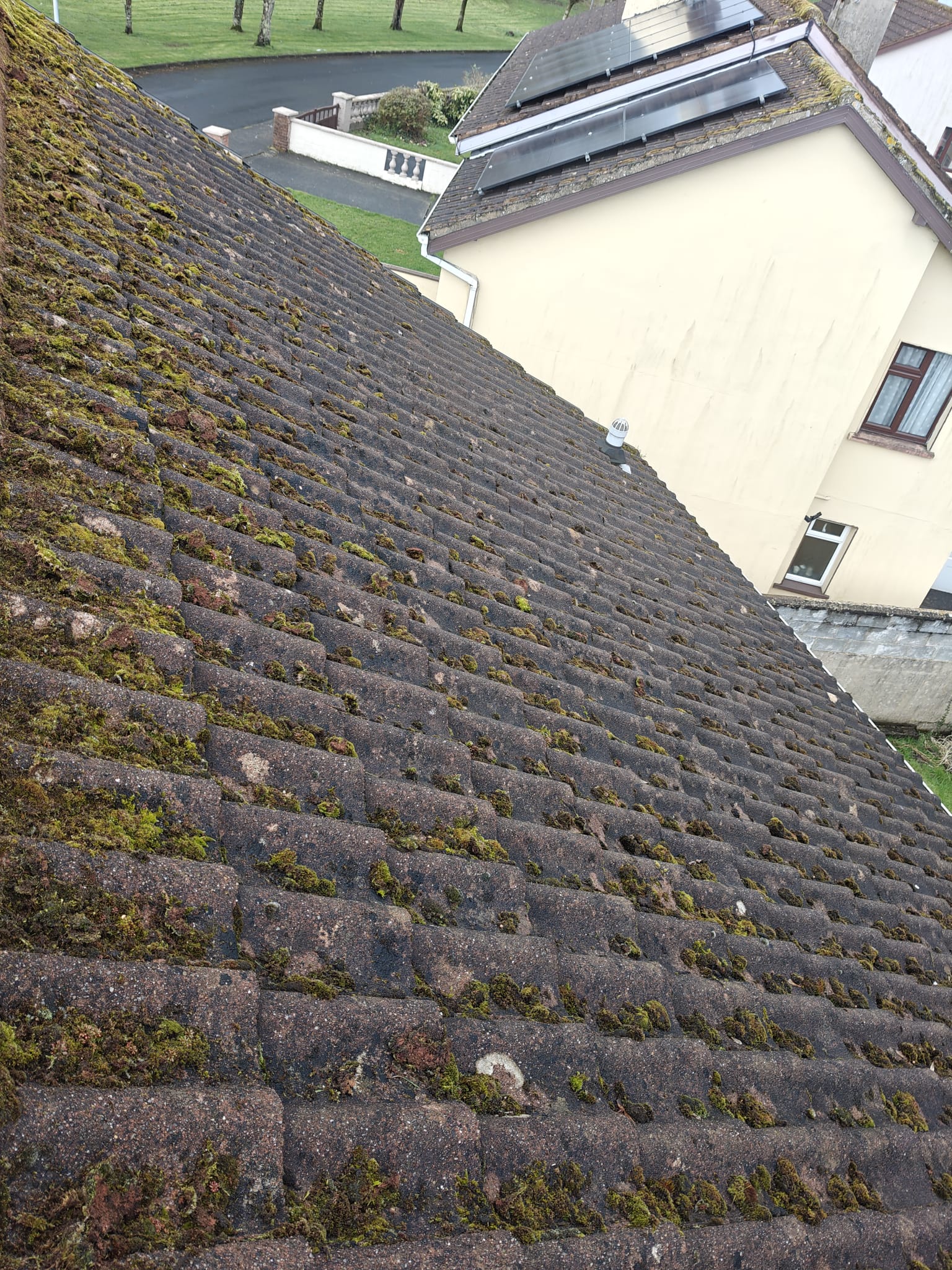
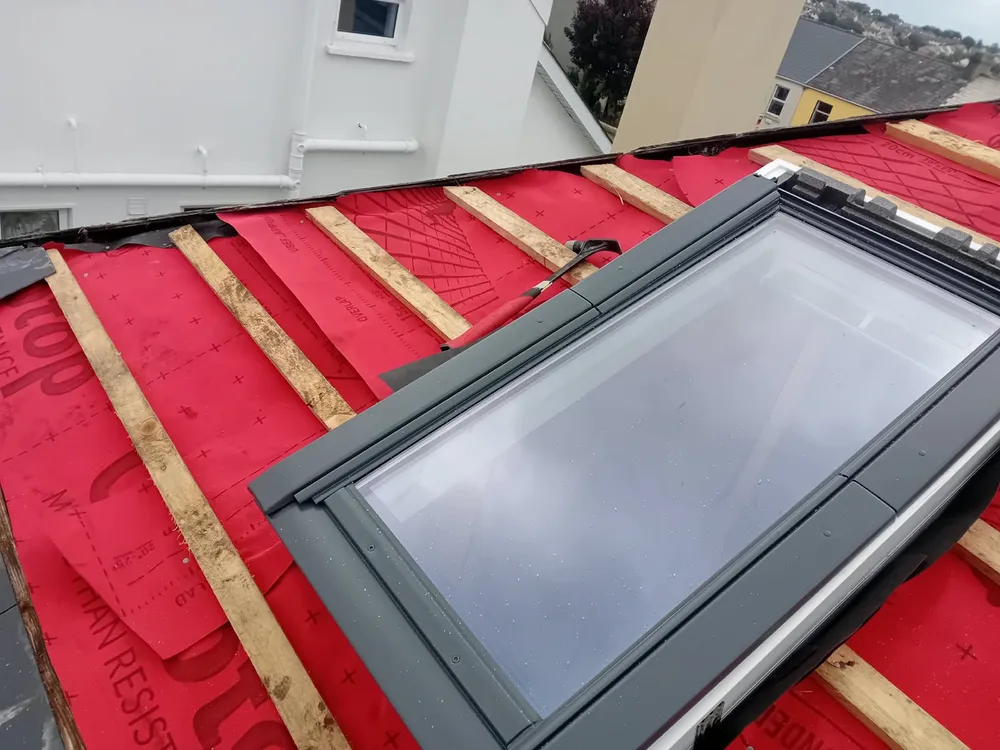
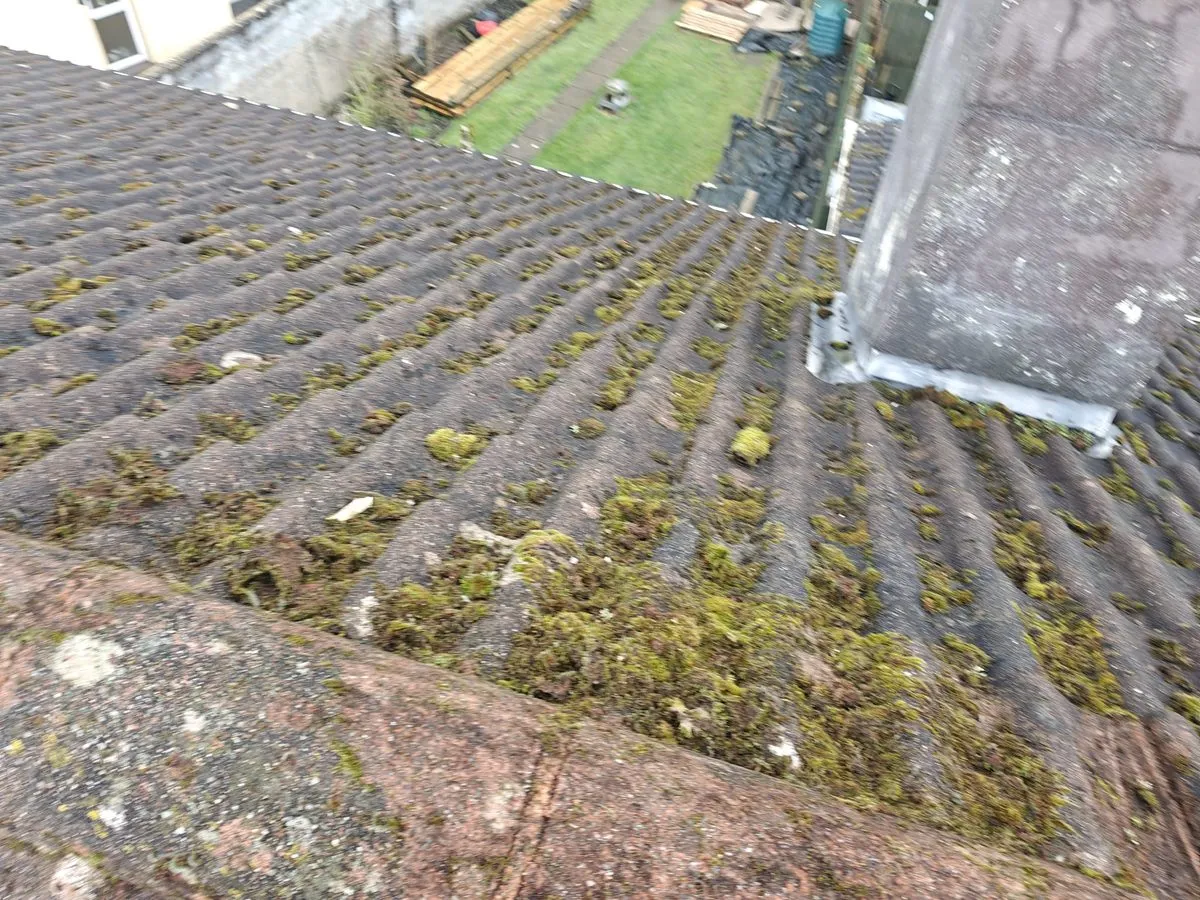
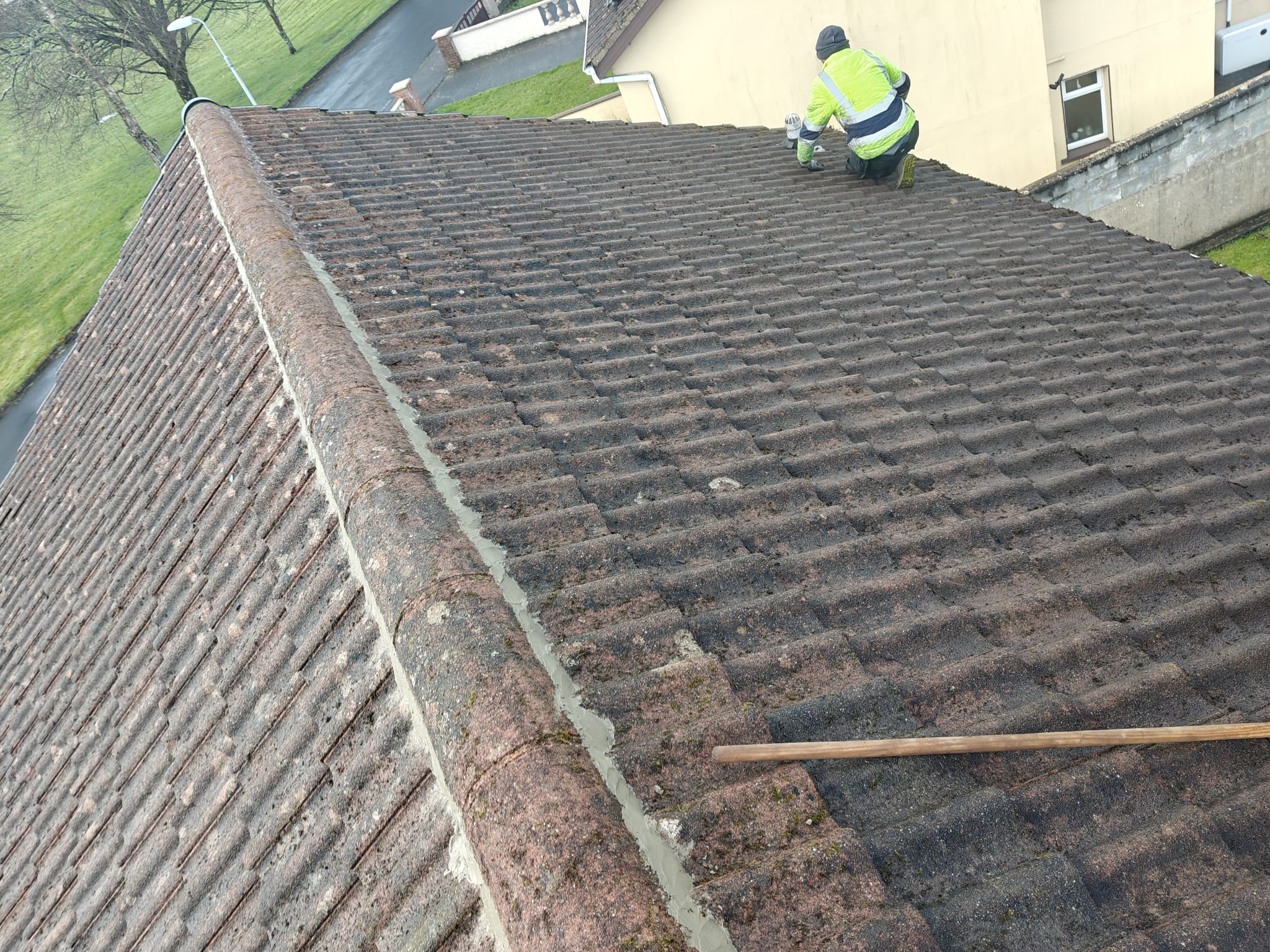
Houses built before the 1990s often have old bitumen felt under the tiles that has gone brittle and torn. It cannot be replaced from outside without lifting the covering. We strip the tiles or slates in sections, lay a new breathable membrane, fit new treated battens, then fix the covering back, replacing any that are broken. It costs less than a full re-roof because the good tiles or slates are reused. Where the covering is also worn out, a new roof is the better spend, and we say so.
Waterproofing is more than the sheet
Most re-felted roofs that fail again fail at the details, not the sheet: the upstand against a wall, the flashing at a chimney, the outlet, the edge trim. Every job includes new details, not patches over old ones. If the problem is only a small area, a roof repair may be all you need, and we will not sell you more than that.
Read next: Flat roof re-felting cost in Ireland and Roof underlay replacement cost in Ireland.