Kilmallock weather and your roof
How does the weather affect roofs in Kilmallock?
Limerick sits on the Atlantic side of Ireland, so rain is a regular part of the year and a small defect can let water in over weeks before a stain shows indoors. On older roofs the usual weak points are slipped slates, cracked ridge mortar and worn flashing around chimneys. We have not quoted local weather figures here.
What should Kilmallock homeowners check after a winter storm?
Look from the ground for slipped or missing slates and tiles, ridge tiles that have shifted and lead around the chimney that has lifted. Then check the attic on the next wet day for daylight, damp patches or drips. Clear leaves from gutters and downpipes, since an overflowing gutter pushes water back under the lowest row of slates.
How often should a roof in Kilmallock be inspected?
Once a year, ideally in autumn before the wet months, and again after any named storm. Older town-centre roofs are worth a closer look at the chimneys, ridge and any valley gutters, which tend to fail first.
Kilmallock property types
What kind of town is Kilmallock?
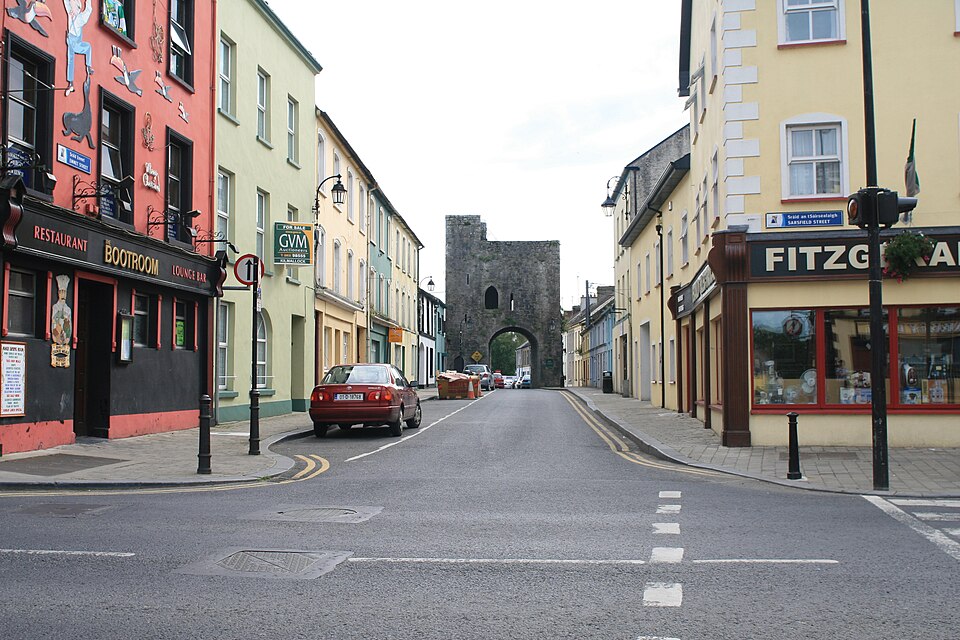
Kilmallock is a market town in south County Limerick, close to the Cork border, with a recorded population of 1,761 in 2022. It is one of Ireland's older towns, with a collegiate church built by 1241, and the remains of the medieval walls that once encircled it are still visible. Older buildings in the centre sit alongside later housing on the edges of the town.
Is my Kilmallock house in a conservation area or protected?
We could not confirm from a source we opened which streets of Kilmallock are covered by an Architectural Conservation Area, or whether a particular building is a Protected Structure. The medieval town wall is the kind of feature that attracts protection, so check with Limerick City and County Council before work starts. Changing the visible look of a roof, such as natural slate to concrete tile, can need planning permission in those cases.
Is a new roof in Kilmallock a job for slate or tile?
It depends on what is on the house now and whether it is protected. Older town-centre buildings are usually best repaired or re-laid in natural slate, while later housing is more often concrete tile. The survey decides, and the written quote shows both options where both are allowed.