Dun Laoghaire weather and your roof
What does a coastal position do to roofs in Dun Laoghaire?
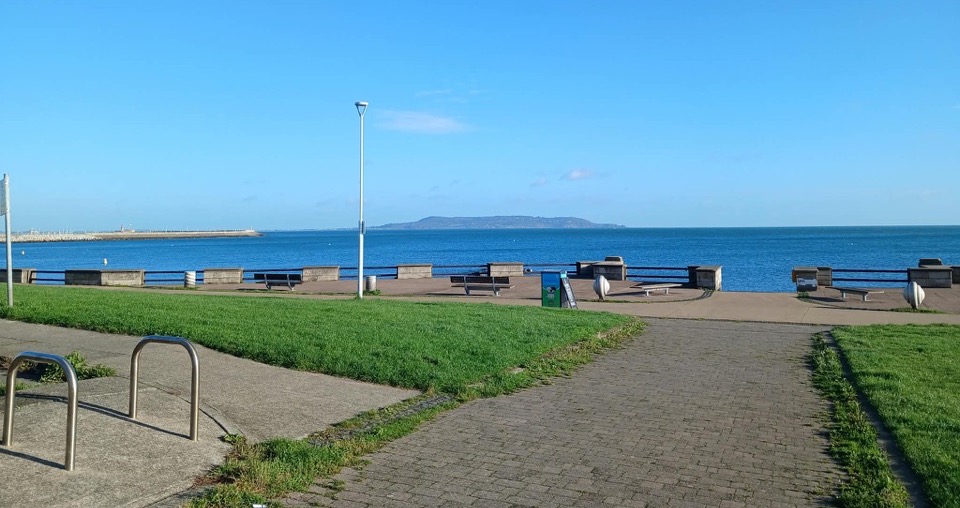
Dun Laoghaire sits on the coast of Dublin Bay, so roofs there deal with sea air as well as the usual Irish rain and wind. Salt in the air can speed up the corrosion of metal fixings, flashings and gutter brackets, so these are worth checking along with slipped slates and cracked ridge mortar. Small faults can let water in for a long time before a stain shows indoors.
What should Dun Laoghaire homeowners check after a winter storm?
From the ground, look for slipped or missing slates and tiles, shifted ridge and verge tiles and lead flashing that has lifted. Check the attic on the next wet day for daylight, damp patches or drips. Check gutters and downpipes as well, since overflow on a terrace pushes water back under the lowest slates.
How often should a roof in Dun Laoghaire be inspected?
Once a year, ideally in autumn before the wet months, and again after any severe storm. On older terraced houses, the chimneys, lead work, valleys and flat-roof rear additions are worth a closer look.
Dun Laoghaire property types
What kind of houses are in Dun Laoghaire?
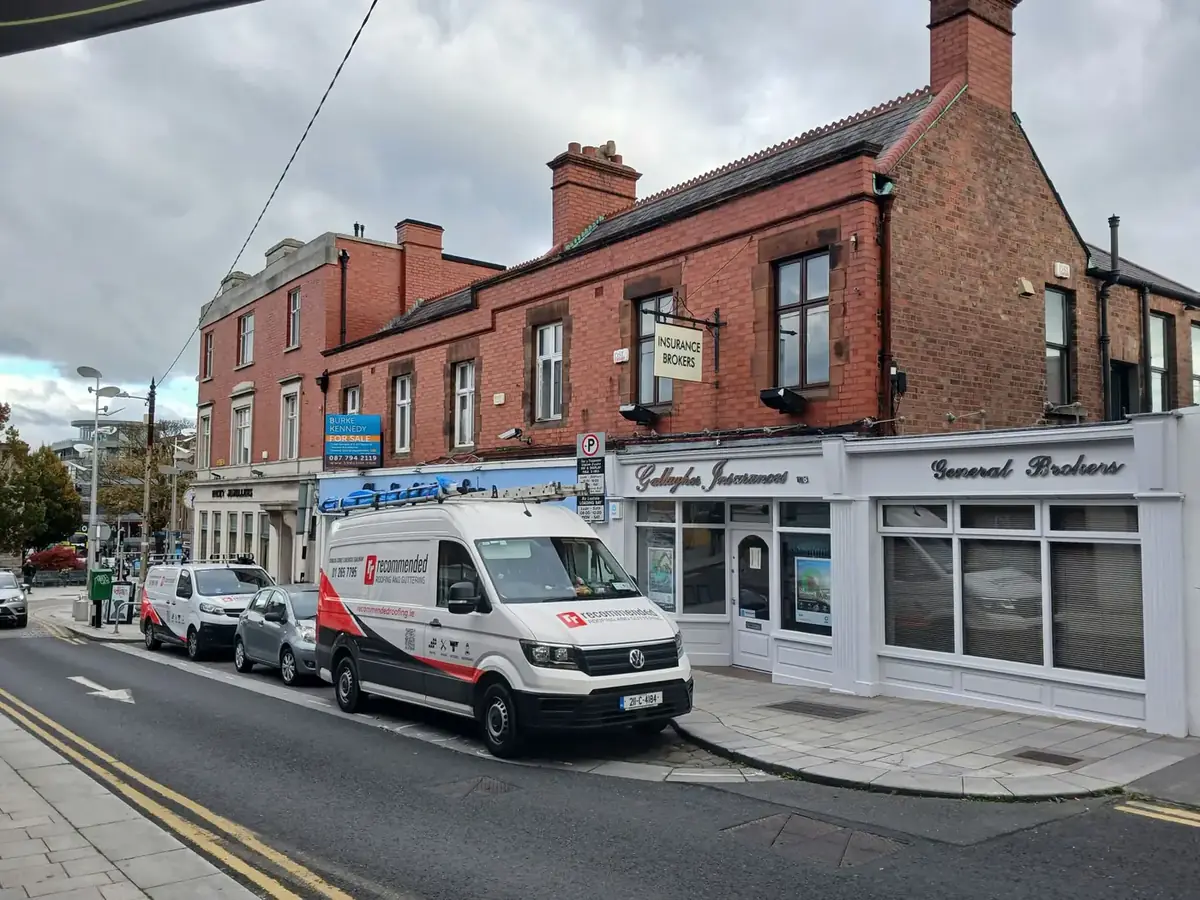
The harbour was built between 1817 and 1859, and the town was known as Kingstown from 1821 until it was renamed Dun Laoghaire in 1920. Ireland's first railway, from Westland Row to Kingstown, opened in 1834 and spurred the building of residential terraces. A lot of the older housing is therefore Victorian, alongside later homes, so the roof type on any one house has to be checked on the day.
Is my Dun Laoghaire house in a conservation area?
It may be. Dun Laoghaire-Rathdown County Council's list of Architectural Conservation Areas includes Monkstown and several others in the area, among them Clarinda Park, Crosthwaite Park and Royal Terrace. We could not confirm the boundaries or whether a particular street is covered, so check your address with the council before work starts. In an ACA, changes to the original roofing material generally need planning permission, according to the council.
Is a new roof in Dun Laoghaire a job for slate or tile?
It depends on what is on the house now and whether it is protected or in a conservation area. Victorian terraces were usually roofed in natural slate, and repair or re-laying in slate is often the best match there. Later housing is more often tile. The survey decides, and the written quote shows the options that are allowed.
Areas near Dún Laoghaire we also cover
Dún Laoghaire is covered by our South Dublin team, who also work in the neighbouring areas:
Roofers Monkstown Roofers Dalkey Roofers Blackrock