Raheny weather and your roof
How does Irish weather affect roofs in Raheny?
Frequent rain and wind test every roof in Ireland. Raheny reaches the coast at Dollymount, so roofs nearer the seafront may take more wind than those further inland, though this is general, not a measured local fact. Wind lifts loose tiles and ridge fixings, and water gets in at worn flashings and cracked mortar.
What should Raheny homeowners check after a storm?
Look from the ground for slipped, cracked or missing tiles or slates and for ridge or verge sections that have moved. Then check the attic on the next wet day for daylight or damp patches. Flat roofs over garages and extensions should be checked for pooled water and lifting edges, and gutters cleared so they do not overflow.
How often should a roof in Raheny be inspected?
Once a year, ideally in autumn before the wet months, and again after any severe storm. On older roofs the chimneys, ridge and valleys deserve the closest look, and on 1960s housing the ridge, verges and underlay.
Raheny property types
What kind of houses are in Raheny?
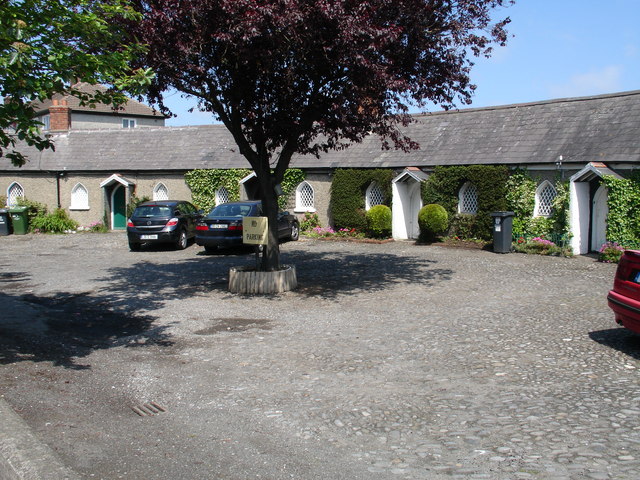
Raheny began as a small coastal hamlet and village, with a railway station from 1844 and a terrace of cottages on Station Road dating from around 1790. Most of the housing came in the 20th century: St Anne's was the first major development, built for Dublin Corporation, and a series of estates followed in the 1960s, including Foxfield, Maywood and Edenmore. It is mostly semi-detached and terraced houses with gardens, with some apartments added from the mid-2000s.
Is my Raheny house in a conservation area?
We could not confirm a conservation area covering Raheny. The old St Assam's Church, built 1859 to 1864, is recorded as a Protected Structure, and other older buildings in the village may be too. If your home is old or near the village centre, check Dublin City Council's development plan and Record of Protected Structures before work starts, as changing the visible look of a roof can need planning permission in those cases.
Is a new roof in Raheny a job for slate or tile?
It depends on what the house has now and its age. Older village buildings often have natural slate and are best repaired or re-laid in slate where possible, and 1960s estate housing is commonly tile or slate. The survey decides, and the written quote shows the options where more than one is allowed.
Areas near Raheny we also cover
Raheny is covered by our Dublin North team, who also work in the neighbouring areas:
Roofers Killester Roofers Clontarf Roofers Artane Roofers Coolock