Donnybrook weather and your roof
How does Irish weather affect roofs in Donnybrook?
Rain, wind and frost work on a roof all year, and the damage tends to start at the weak points: slipped slates, worn lead flashings, cracked ridge mortar and chimney stacks. On an older roof, small defects let water in slowly, so damp can build in the attic before a stain shows on a ceiling.
What should Donnybrook homeowners check after a storm?
From the ground, look for slipped or missing slates, loose chimney pots and ridge tiles that have shifted. Then check the attic on the next wet day for daylight, damp patches or drips. Flat-roof extensions at the back of larger houses should be checked for pooled water, and gutters and downpipes cleared so they do not overflow.
How often should a roof in Donnybrook be inspected?
Once a year, ideally in autumn before the wet months, and again after any severe storm. On a roof of a century or more, the chimneys, lead work and valleys are the parts to have looked at first.
Donnybrook property types
What kind of houses are in Donnybrook?
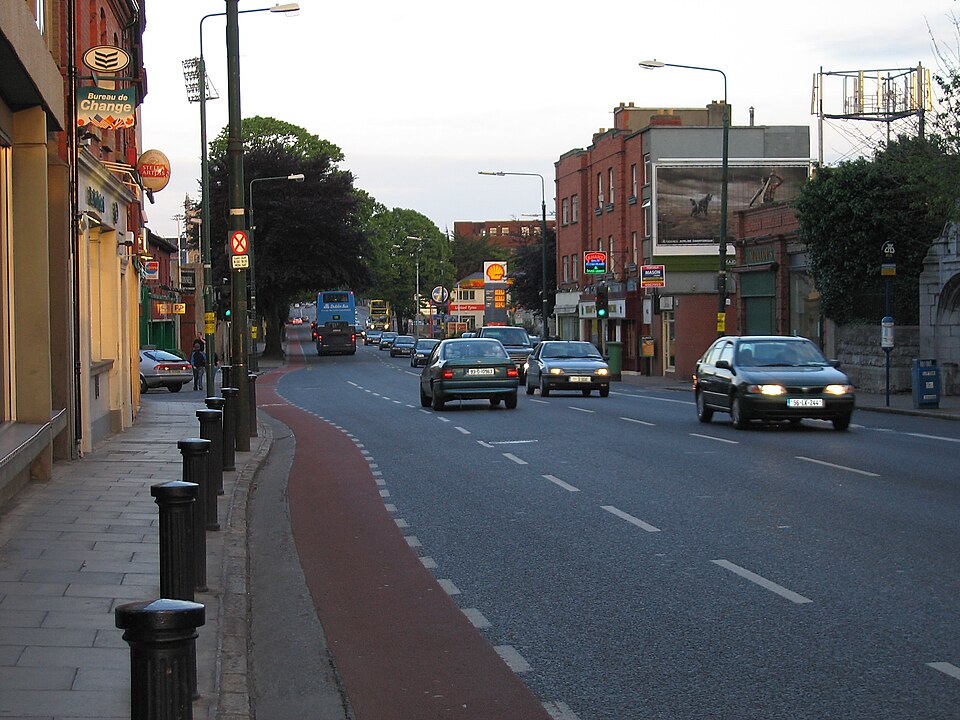
Donnybrook is an inner southside suburb in Dublin 4, once part of the Pembroke Township, with a long history that includes the Donnybrook Fair, held under a charter from 1204 until 1855. Housing is mixed in age, and a Georgian house of 1795 stands on the site of the old Donnybrook Castle. Roof type and age therefore have to be checked house by house.
Is my Donnybrook house in a conservation area?
It may be. Dublin City Council lists an Architectural Conservation Area called Belmont Avenue-Mount Eden Road and Environs, and a planning decision describes a house on Mount Eden Road, Donnybrook, as lying within an ACA. We could not confirm how far it extends, or whether it covers your street. Check the council's maps and Record of Protected Structures before work starts, because changing the visible look of a roof can need planning permission in those cases.
Is a new roof in Donnybrook a job for slate or tile?
It depends on what is on the house now and whether it is protected or inside a conservation area. Older houses are often natural slate and are usually best repaired or re-laid in slate, while later housing is more often tile. The survey decides, and the written quote shows the options that are allowed.