Roof Condition Survey in Ireland
What a Pre-Purchase or Pre-Winter Report Should Actually Contain (2026)
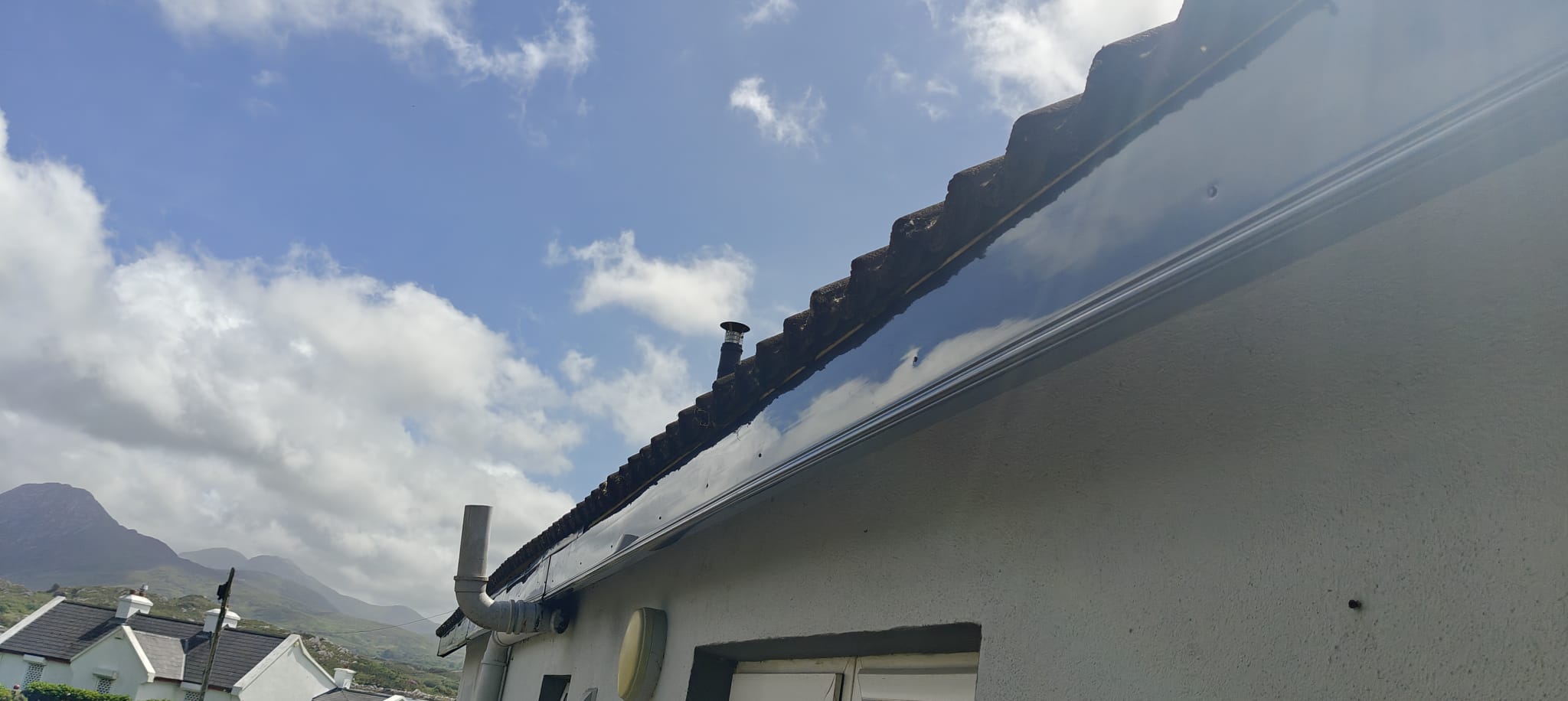

What a Pre-Purchase or Pre-Winter Report Should Actually Contain (2026)
A proper roof condition survey in Ireland is a written, photographed assessment of every roof element — coverings, flashings, ridges, valleys, gutters, fascias, chimneys, and roof timbers — carried out either by a roofer on the roof or by drone, with a clear defect list, remaining service life estimate, and costed repair recommendations. Expect to pay €150–€450 (indicative, 2026) for a standalone report on an average Irish semi-detached home. Call 01 2657795 to book one, or get a written quote for a survey.
That's the short answer. The rest of this guide explains exactly what should be inside the report, when drone beats a physical inspection, how pre-purchase surveys differ from pre-winter checks, and the fees you should reasonably expect around Dublin, Cork, Limerick and Galway.
Most Irish housing stock — 1930s semi-Ds in Terenure, 1970s dormers in Blackpool, or newer estates around Sandyford — was never built for what our weather now throws at it. Prevailing south-westerlies, 1,000–1,400 mm annual rainfall along the west coast, and the freeze-thaw cycles we've seen in recent winters chew through slate nails, mortar bedding, and lead flashings faster than most homeowners realise.
A general building survey (the kind you get before buying) usually gives the roof two paragraphs and a caveat that a specialist inspection is recommended. That's the gap a proper roof condition survey fills. If you're weighing up whether it's worth commissioning one, our guide on should roof inspection be part of your annual maintenance walks through the decision in more detail.
A report worth paying for covers eight areas. If any of these are missing, push back before you accept it.
A good sample report runs to 12–20 pages with 40+ annotated photographs. If someone hands you a two-page PDF for €300, you've been shortchanged.
They sound similar. They're not.
Pre-purchase surveys are about protecting your offer. The buyer wants to know: is this roof about to cost me €12,000 in the next three years? The report should focus on remaining service life, likely capital expenditure over a 5- and 10-year window, and any defects a solicitor might flag. It's usually commissioned after a general building survey has already raised a concern.
Pre-winter surveys are about protecting the house you already own. The focus shifts to storm resilience — loose ridge tiles, blocked valleys, failing lead soakers, and gutter capacity before the November gales. Autumn (September to early October) is the sensible window. Book after mid-November and you'll be queueing behind emergency call-outs.
Landlords and property managers with multi-unit portfolios should also consider annual surveys as part of routine residential roofing maintenance planning, particularly for terraces where a single failing valley can affect three or four properties.
Both have their place. The honest answer is that most thorough surveys use both.
| Method | Best for | Limitations | Indicative fee (2026) |
|---|---|---|---|
| Drone (aerial photo + 4K video) | Steep roofs, three-storey Victorians, dangerous access, quick visual overview | Can't lift a slate to check underlay; no tactile check of mortar or lead | €120–€250 |
| Physical (ladder or roof access) | Detailed defect assessment, lifting slates to inspect battens/felt, chimney close-up | Access risk, longer on site, weather-dependent | €180–€400 |
| Combined drone + physical + loft | Pre-purchase reports, insurance claims, disputed defects | Higher fee but definitive | €300–€550 |
| Thermal imaging add-on | Suspected leaks, insulation gaps, hidden moisture | Requires temperature differential, not a standalone survey | €80–€150 add-on |
Drone-only surveys are increasingly popular because they're cheap and fast, but for a pre-purchase decision on a €500,000 house, spending an extra €150 for a roofer to physically walk the roof and open the loft hatch is common sense.
Fees vary by county, roof complexity, and whether scaffold or a cherry picker is needed. As a rough guide for a standard three-bed semi:
These are indicative ranges based on current market activity — confirm the exact fee in writing before the survey is booked. If you'd like a fixed-price quote for your property, our team covering roofers in South Dublin, Cork's Blackpool area and Galway city and county can price the job the same day.
For homeowners weighing up survey cost against likely repair spend, our roofing cost calculator gives a ballpark for the common repairs that come up in reports — slipped slate replacement, ridge re-bedding, flashing renewal, and gutter overhaul.
Here's the structure we use. Copy it, or use it as a benchmark against what you're offered elsewhere.
Ask to see a redacted sample report before you commission the survey. Any credible provider will happily send one.
Watch for these when reading a report:
That last one matters. It's legitimate for a roofing company to offer both — we do — but the survey fee and the repair quote should be itemised separately so you can shop the repair around.
If you're mid-purchase, pre-winter, or just uneasy after a stormy week, a proper survey is one of the cheapest pieces of due diligence you'll ever buy. Homeowners in Dublin, Cork, Limerick or Galway can request a free survey quote through our contact page or ring 01 2657795 directly. We'll confirm scope, method, and fixed-price fee in writing before anything is booked.
Recent survey work is documented in our project gallery if you'd like to see the standard of report and photography before deciding.
A physical survey on an average three-bed semi takes 60–90 minutes on site. Drone-only is 30–45 minutes. The written report is typically delivered within 3–5 working days.
No. A building survey (Type 2 or Type 3) covers the whole property and gives the roof a general assessment. A roof condition survey is a specialist, dedicated inspection with a full defect schedule and costed recommendations.
Insurers increasingly request a dated, photographed roof condition report to distinguish storm damage from pre-existing wear. Having a recent survey on file strengthens a claim significantly.
For straightforward properties, often yes. For pre-purchase decisions on older housing stock — Victorian terraces, 1930s semis, anything with complex valleys or multiple chimneys — a combined drone plus physical inspection is more defensible.
For owner-occupiers: every 5–7 years, or after any significant storm. For landlords and property managers: annually as part of planned maintenance. For pre-purchase: always, if the general building survey flags any concern.
A good one does. Rainwater goods, fascias, soffits and bargeboards should all be assessed and included in the defect schedule. If they're excluded, ask why.
Roof Repairs in Ireland. Free survey, written fixed-price quote, 10-year guarantee.