SEAI Energy Poverty Grants 2026
Homeowner Guide
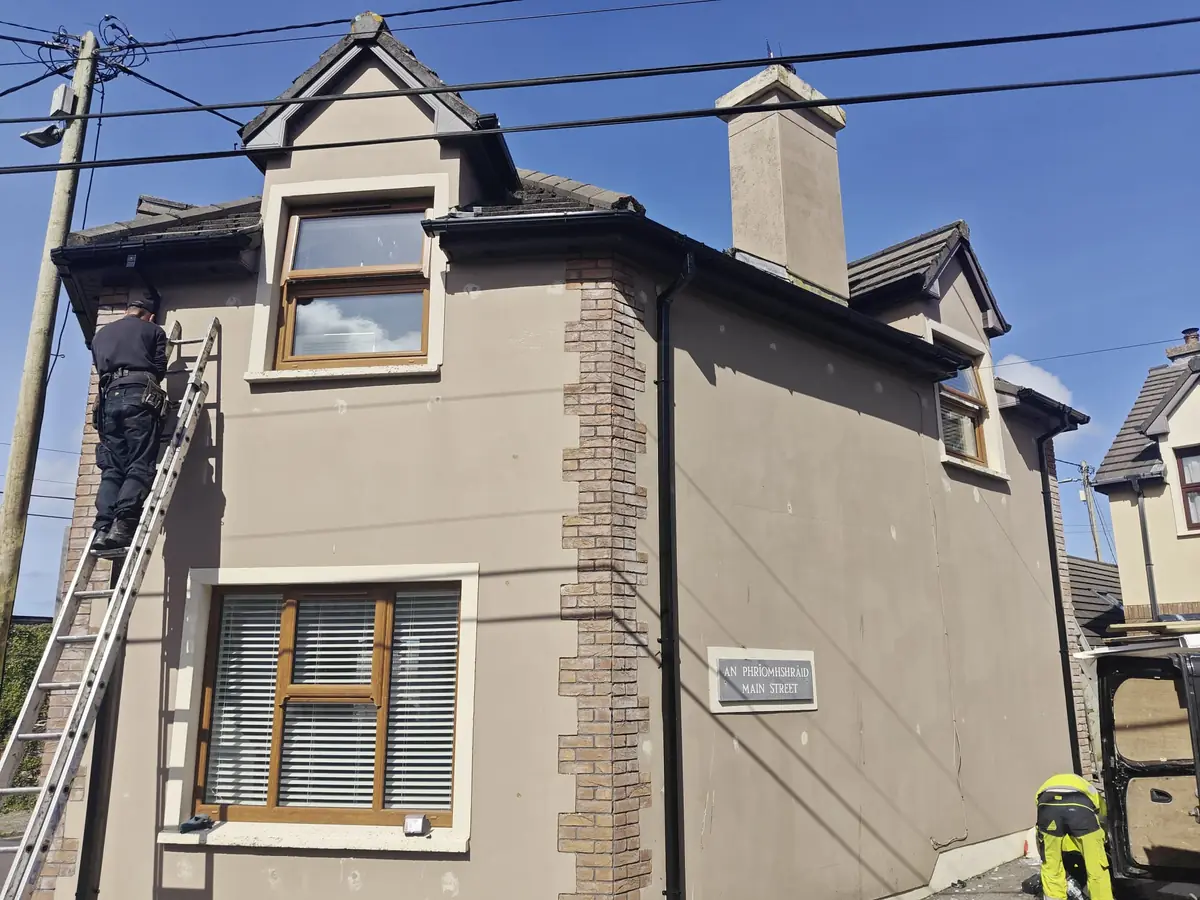

Homeowner Guide
If you're at risk of energy poverty in Ireland, the Sustainable Energy Authority of Ireland (SEAI) has increased grant supports under the Warmer Homes Scheme and related Better Energy schemes, meaning eligible households can now access fully-funded or heavily-subsidised upgrades — including attic insulation, wall insulation, heat pumps, and ventilation — with little or no out-of-pocket cost. Here's what's changed, who qualifies, and how to make the most of it.
The expansion was reported this week by Irish Tech News, which highlighted higher grant ceilings and a broader eligibility net for households spending a disproportionate share of income on heat and electricity. For homeowners across Cork, Limerick, Galway and Dublin — many living in pre-1980 housing stock with solid walls, poor airtightness and ageing roofs — these changes are material. They can shave hundreds of euro off annual bills, lift a home several BER grades, and, critically, prevent the kind of moisture and structural problems that tend to follow when a cold, draughty house is "patched" rather than properly upgraded.
A household is generally considered to be in energy poverty if it spends more than 10% of disposable income on energy to maintain an adequate standard of warmth. The ESRI estimates that, depending on the price environment, between 29% and 43% of Irish households have sat in or near this bracket since the 2022 energy shock. The most exposed groups are:
If any of that describes your home, the increased SEAI supports are designed specifically for you.
The headline changes homeowners should focus on:
Confirm the exact figure that applies to your home directly with SEAI before signing any contractor agreement — grant amounts and eligibility bands are reviewed periodically.
You're likely eligible if you own and live in your home, it was built and occupied before 2006, and you receive one of the qualifying payments:
Other supports (Better Energy Homes, One Stop Shop) are open to all homeowners regardless of income, with grant amounts scaled to the works.
Here's the part most grant guides skip. Insulation only works on a dry, weather-tight house. Pumping a cavity wall, fitting 300mm of attic insulation, or installing an air-to-water heat pump on a property with slipped slates, a failing flat roof, or blocked gutters is a fast route to condensation, timber rot and ruined insulation within two or three winters.
Irish weather makes this non-negotiable. With 800–1,400mm of annual rainfall depending on region and prevailing south-westerlies driving rain horizontally across exposed gables, even small defects let water track behind insulation. We routinely see homes in Cork and Limerick where newly insulated attics have become damp within 18 months because a few cracked tiles or a corroded valley were never addressed.
Before you book the SEAI survey, it's worth getting a professional roof inspection to flag any issues that should be fixed first. Typical pre-retrofit jobs include:
If your gutters are overflowing or sagging, the new attic insulation has nowhere good to go — sorting guttering across Cork, Limerick, Dublin and Galway first protects every euro of grant-funded work above and below it.
Even with grants, certain repairs sit outside SEAI scope and you'll cover them yourself. Indicative 2026 Irish-market ranges:
| Job | Indicative Cost |
|---|---|
| Roof inspection and condition report | €150–€350 |
| Replacing 10–20 slipped slates/tiles | €350–€750 |
| New lead flashing to chimney | €450–€900 |
| Full gutter replacement, semi-D | €900–€1,800 |
| Flat roof recover (small extension, EPDM/felt) | €2,500–€5,500 |
| Full re-roof, 3-bed semi-detached | €9,000–€18,000 |
These are indicative only — confirm exact pricing with your contractor after a site visit. For a quick ballpark on your own property, the roofing cost calculator gives a useful starting figure.
The biggest mistake we see is homeowners taking the works in the wrong order. Here's the sequence that protects your investment:
Doing step 1 before steps 3–6 is the difference between a retrofit that lasts 30 years and one that fails in five.
Roughly 40% of Irish homes were built before 1980, and a significant share of those sit at BER D2 or worse. For a typical 1960s–70s semi in Ballincollig, Raheen, Salthill or Tallaght, a properly sequenced grant-funded upgrade can lift the BER from E1 to B3, cut heating demand by 50–70%, and resolve the cold spots and condensation that drive damp on north-facing bedroom walls.
If your property needs more than spot repairs before the upgrade — sagging rafters, widespread nail fatigue on slate fixings, or a flat roof past its service life — a planned roofing renovation carried out ahead of the SEAI works is far cheaper than retrofitting around a failed roof later.
Waiting times have improved but can still stretch to 12–18 months for Warmer Homes in busy regions. Use that window to get your roof and gutters into the condition the upgrades deserve.
No. SEAI grants fund energy upgrades — insulation, heat pumps, ventilation, solar PV, windows — not structural roof repairs or gutter replacement. Those remain the homeowner's responsibility and should be completed before insulation and heat pump works begin.
You shouldn't. SEAI's panel contractors will typically refuse to install attic insulation in a roof with active leaks or visible damp, because the insulation will absorb moisture and lose performance. Fix the roof first, then proceed with the upgrade.
The current rates apply under the National Retrofit Plan, which runs to 2030. However, individual grant amounts and eligibility criteria are reviewed periodically, so confirm the current figures on seai.ie before budgeting.
Only if the fabric is upgraded first. A heat pump on an uninsulated 1970s semi will run inefficiently and cost more than oil. SEAI now requires a technical assessment confirming the home is "heat pump ready" — typically meaning BER B2 or better — before grant-aiding the unit.
You can still apply for Better Energy Homes grants or use the One Stop Shop route, where SEAI-registered providers manage the project and grants are deducted from your invoice. Grant levels are lower than Warmer Homes but cover a meaningful share of costs.
Yes — and ideally before the SEAI survey visit. A clear roof condition report lets you sequence repairs first, avoid rework, and gives the SEAI surveyor confidence that the home is fit for the upgrades. Homeowners across Munster and Leinster can request a free quote from our Cork, Limerick, Dublin or Galway teams to get this sorted before the grant works begin. --- For homeowners in the south-west specifically, our roofers in Cork and roofers in Limerick teams handle pre-retrofit inspections and repairs daily and can usually attend within a week. Call 01 2657795 to book.
Roof Repairs in Ireland. Free survey, written fixed-price quote, 10-year guarantee.