Fascia Board Rot on Cork Bungalows
Why 1970s Cavan and Roscrea Timber Fascias Fail First on North-Facing Elevations in Bishopstown, Wilton and Farranree
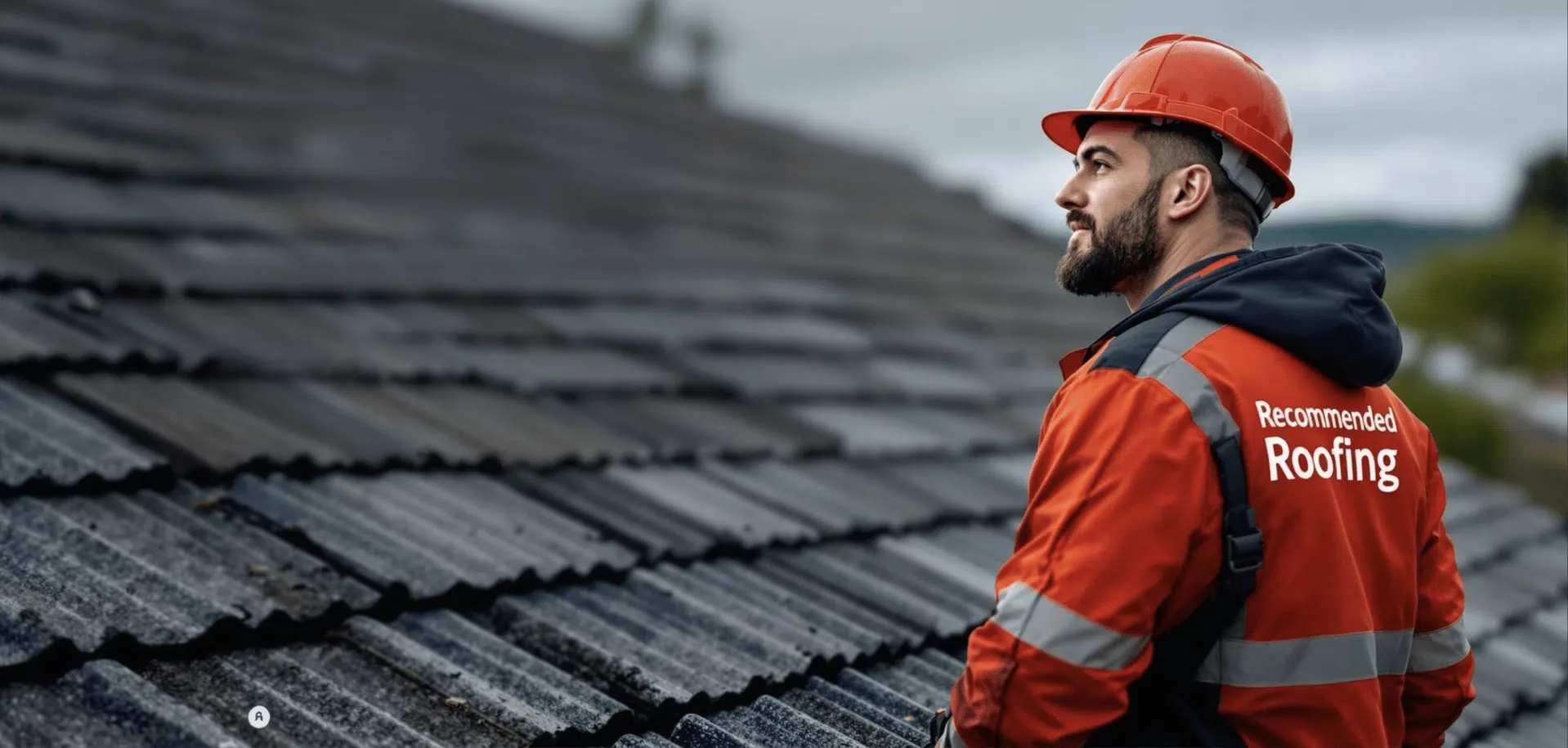

Why 1970s Cavan and Roscrea Timber Fascias Fail First on North-Facing Elevations in Bishopstown, Wilton and Farranree
If your 1970s Cork bungalow has original alu-clad soffits and you're seeing paint blistering, sagging gutters or dark streaks along the north gable in Bishopstown, Wilton or Farranree, the untreated softwood fascia behind that aluminium is almost certainly rotten. The fix is a full strip-out, replacement with 22mm capped uPVC or 2mm powder-coated aluminium fascia, new vented soffits, and continuous eaves ventilation. Expect €75–€140 per linear metre (indicative, 2024 rates). Call 021 2040925 for a fixed-price quote.
That's the short answer. Below is why this specific failure keeps showing up on the same estates, what to look for before it takes the gutter with it, and what a proper changeover looks like.
The bungalow belt around Bishopstown, Wilton, Farranree, Togher and Ballyphehane went up largely between 1968 and 1978. The specification was consistent: cut roof, concrete tile, and — critically — untreated redwood or whitewood fascia (usually 175mm x 22mm), skinned on the underside with early aluminium soffit trays. The alu-cladding was sold as "maintenance-free." It wasn't. It was a moisture trap.
Here's what happened over fifty Cork winters:
By the time most homeowners notice, the fascia is spongy for the full length of the north elevation and the top course of felt is rotting with it.
Walk the north and east sides of the house on a dry day and look for:
If two or more of these are present on the north elevation, the fascia needs to come off. Patching is a waste of money at this stage — the rot spreads laterally through the grain and reappears within 18 months.
Both work. The right choice depends on the eaves detail and your budget.
Capped uPVC fascia (22mm solid, foiled)
Powder-coated aluminium fascia (2mm)
Confirm exact rates for your property — pricing varies with access, scaffolding needs and whether the roofing felt at the eaves also needs dressing back in. Our roofing cost calculator will give you a working figure before we visit.
This is where the changeover pays back twice. The 1970s eaves detail on these Cork bungalows was effectively unventilated. Replacing the fascia and soffit is your one chance in a generation to fix that.
Proper spec means:
Homeowners routinely tell us the attic feels drier and the upstairs bedrooms warmer within a fortnight of the changeover. That's not marketing — it's condensation load being properly vented for the first time since 1974.
For a typical three-bed detached bungalow in Bishopstown (roughly 42 linear metres of eaves), the sequence is:
A full bungalow takes 3–4 working days. We work off a fixed-price quote agreed before we start.
Bishopstown, Wilton, Farranree, Togher and parts of Glasheen share the same builder specifications and the same 50-year timeline. We've replaced fascia and soffit on over 60 bungalows across these estates in the last four years alone. The pattern is nearly identical: north elevation gone first, east elevation compromised, south and west often still serviceable.
If your neighbours have had theirs done, yours is on the clock. For a look at recent Cork bungalow changeovers, our gallery of completed roofing and fascia jobs shows the before-and-after on several Bishopstown and Wilton properties.
We cover the wider Cork area including roofing and fascia work in Wilton, Blackpool bungalow re-roofs and fascia replacement, Glanmire roofing services and Little Island roof and guttering repairs. For homeowners planning a broader upgrade, our residential roofing services page sets out how we combine fascia, gutter and roof work into a single project.
If you're in Bishopstown, Wilton, Farranree or anywhere across Cork city and suburbs, we'll come out, inspect the fascia properly (screwdriver test, gutter level check, attic ventilation review), and give you a written fixed-price quote with no pressure. Book a free fascia and roof inspection with our Cork team or call 021 2040925 directly.
Indicative 2024 pricing is €75–€95 per linear metre for capped uPVC and €110–€140 per linear metre for powder-coated aluminium, both supplied and fitted with new vented soffit and half-round gutter. A typical three-bed Bishopstown bungalow with 40–45m of eaves runs €3,200–€6,300. Call 021 2040925 to confirm exact rates for your property.
Not on 1970s Cork bungalows with original alu-clad soffits. The rot is behind the aluminium, not on the visible face. Painting seals moisture in and accelerates the failure. If the timber is spongy to a screwdriver test, replacement is the only durable fix.
North-facing elevations in Cork receive minimal winter sun and hold moisture content above 20% for months at a time — the threshold for wet rot to establish. Combined with unventilated 1970s eaves detail and steel fixings through untreated softwood, it's the exact recipe for early failure.
No. Fascia, soffit and guttering replacement is a like-for-like maintenance job and does not require planning permission, provided the profile and colour are broadly similar to the original.
Three to four working days for a typical detached bungalow, weather permitting. Semi-detached properties are usually two to three days. We give a firm date range with your fixed-price quote.
If your roof is over 40 years old and the ridge tiles are loose or the felt is perishing at the eaves, yes — combining the works saves on scaffolding and eaves-apron dressing. If the roof has 15+ years left in it, do the fascia now and revisit the roof later.
Nearby areas we cover
Roof Repairs in Cork, Ireland. Free survey, written fixed-price quote, 10-year guarantee.