
SEAI Retrofit Grants in Ireland: How Homeowners Can Claim Up to €10,000 for Energy Upgrades
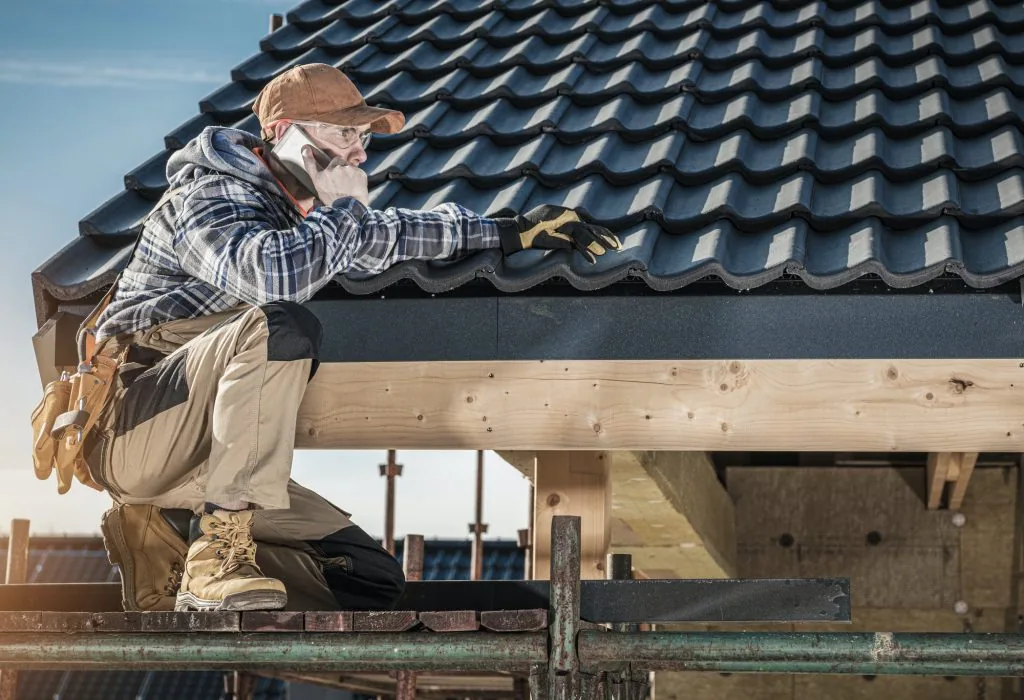
Irish homeowners can claim up to €10,000 in SEAI grants towards retrofit works including attic insulation, cavity wall insulation, external wall insulation, heat pumps, solar PV and BER assessments — provided the home was built before 2011 (or 2021 for heat pumps) and the work is carried out by an SEAI-registered contractor. Recent reporting by Irish Mirror has put the scheme back in the spotlight as energy costs bite into household budgets.
If you've been weighing up whether to insulate the attic, replace a tired roof, or finally tackle that draughty gable wall, the current grant landscape makes 2026 a genuinely sensible year to act. Below is a practical, homeowner-focused breakdown of what's available, what's not covered (this matters), how the roof fits into the picture, and the order of operations that gives you the best chance of stacking grants without losing money.
What the SEAI Grants Actually Cover in 2026
The Sustainable Energy Authority of Ireland (SEAI) operates several schemes. The headline numbers most homeowners see — €8,000 for attic and cavity wall insulation combined, up to €10,000+ once a heat pump or external wall insulation is added — come from the Better Energy Homes Scheme and the One Stop Shop Scheme.
Indicative grant values (confirm exact current rates on seai.ie before applying):
| Measure | Indicative Grant | Typical Job Cost (indicative) |
|---|---|---|
| Attic insulation | €800–€1,500 | €1,500–€3,000 |
| Cavity wall insulation | €700–€1,700 | €1,200–€2,500 |
| External wall insulation | €3,000–€8,000 | €15,000–€35,000 |
| Internal wall (dry-lining) | €1,500–€4,500 | €8,000–€18,000 |
| Air-to-water heat pump | €6,500 | €12,000–€18,000 |
| Solar PV | €1,800 (up to 2kWp) | €5,000–€9,000 |
| BER assessment | €50 (post-works) | €150–€250 |
| Heating controls | €700 | €900–€1,500 |
The figures above are indicative ranges — quoted prices vary by region, house size, and contractor availability. A south-facing 1970s bungalow in West Cork is a very different job to a 1930s semi in Drumcondra.
Who Qualifies — and the Date That Trips People Up
For most insulation and solar grants, the property must have been built and occupied before 2011. For the heat pump grant, the cut-off is 2021. The home must be your primary residence or a rental you own, and the works must be done by a contractor on the SEAI's registered list. Self-installation, even by a qualified tradesperson, will not be grant-aided.
Two things commonly catch homeowners out:
- You must apply BEFORE works begin. Grant offers are not retrospective. If the insulation is already in the attic, the money is gone.
- A post-works BER assessment is mandatory for most measures, and the BER assessor must be independent of the contractor.
Where Roofing Fits Into a Retrofit (And Where It Doesn't)
This is the part that's poorly explained in most coverage. Roof replacement itself is not grant-aided by SEAI. Slates, tiles, felt, battens and flashings are categorised as structural maintenance, not energy upgrades.
However — and this matters — attic insulation is grant-aided, and the condition of the roof above it directly determines whether that insulation will perform. Pumping 300mm of mineral wool into an attic with slipped slates, perished felt or failed flashings is a waste of grant money. Within 18 months you'll have damp insulation, compressed fibres, and a U-value worse than where you started.
The sensible sequence for any pre-2000 Irish home is:
- Roof inspection first — confirm the covering is watertight and has 10+ years of life. Our expert roof inspection service flags the issues that will compromise insulation before you spend on it.
- Repair or replace as needed — addressing slipped slates, failed underlay, or end-of-life ridge mortar. For older properties, full roofing renovation is often more economic than piecemeal repair.
- Then apply for the SEAI attic insulation grant and have the works done.
- Upgrade guttering and rainwater goods at the same time — wet fascias and overflowing gutters drive moisture into the roof structure and undermine insulation performance.
Skipping step one is the single most common mistake we see in Cork, Limerick and Dublin homes that have had grant-funded insulation installed in the last five years.
What €10,000 Actually Buys: Three Realistic Irish Scenarios
Scenario 1 — 1970s three-bed semi in Ballincollig, Cork Attic insulation (€1,300 grant) + cavity wall insulation (€1,200 grant) + heating controls (€700 grant) = €3,200 in grants against roughly €5,500 of works. Homeowner's net spend: ~€2,300. Expected annual energy saving: €600–€900.
Scenario 2 — 1950s bungalow in Castletroy, Limerick External wall insulation (€6,000 grant) + attic top-up (€1,300 grant) + BER (€50) = €7,350 in grants against roughly €22,000 of works. Net spend: ~€14,650. BER often jumps from E1 to B3.
Scenario 3 — 1980s detached in Galway city Heat pump (€6,500) + attic insulation (€1,500) + solar PV (€1,800) + BER (€50) = €9,850 in grants against roughly €25,000 of works. Net spend: ~€15,150. Eliminates oil/gas dependency.
The One Stop Shop Route vs. Going It Alone
SEAI's One Stop Shop scheme bundles works through a single Registered Project Coordinator who manages design, contractors, grant claims and the post-works BER. It's the only route that unlocks the larger grant amounts (typically requiring a BER uplift of at least two grades to a B2 minimum). Expect a project management fee built into the contractor pricing — typically 8–12% — in exchange for not having to coordinate five trades yourself.
Going it alone via Better Energy Homes works for single measures (just attic, just cavity) but caps out at lower grant levels and doesn't require a deep retrofit outcome.
Common Mistakes That Cost Homeowners Money
- Installing insulation over a failing roof. Trapped moisture rots timbers within two winters.
- Skipping ventilation upgrades. Sealed-up Irish homes without adequate vents develop condensation and mould — Ireland's mild, wet climate is unforgiving here.
- Ignoring chimney and party wall junctions. Cold bridges at these points can negate 20–30% of theoretical insulation gains.
- Hiring non-registered contractors to "save money". The grant value almost always exceeds the price difference.
- Forgetting downpipes and gutters. Saturated walls cut cavity insulation effectiveness by up to 40%.
When to Get a Roof Inspection Before Applying
If your roof is over 25 years old, has visible slipped or cracked slates, shows internal staining on the upstairs ceilings, or has gutters that overflow in heavy rain, get it inspected before lodging any SEAI application. A €150–€250 inspection now can save you from grant-funded insulation that fails inside three years.
Homeowners in our service areas can see examples of recent retrofitting prep work in our project gallery, or use the roofing cost calculator to ballpark repair vs. replacement before booking a survey.
If you're planning a retrofit and want the roof checked first, you can request a free roofing quote in Cork, Limerick, Dublin or Galway — we'll tell you honestly whether the roof needs work before the insulation goes in, or whether it's good for another decade. Call [PHONE] for a same-week appointment.
Frequently Asked Questions
Can I claim an SEAI grant for a new roof?
No. SEAI grants do not cover roof replacement, re-slating, re-tiling, felt renewal or structural roof works. These are classed as maintenance. However, attic insulation installed after a roof has been made watertight is grant-aided up to €1,500, and works on the roof structure that improve airtightness may qualify under a One Stop Shop deep retrofit.
How much can one household actually receive in total?
Most homeowners doing a phased retrofit claim between €3,000 and €10,000 across multiple measures. Households going through the One Stop Shop with a heat pump, external wall insulation, attic insulation and solar PV can exceed €20,000 in combined grant value, but this requires achieving a B2 BER rating and an SEAI-managed project.
Do I need to pay upfront and get reimbursed?
Under Better Energy Homes, yes — you pay the contractor and SEAI reimburses you after the post-works BER is uploaded. Under the One Stop Shop, the grant is deducted from the contractor's invoice, so you only fund the net amount.
How long does grant approval take?
Initial grant offers under Better Energy Homes typically issue within 4–6 weeks. You then have 8 months to complete the works. One Stop Shop projects take longer to set up (often 2–4 months) but everything is coordinated for you.
Are rental properties eligible?
Yes. Landlords can claim SEAI grants for rental properties built before 2011, provided the tenant remains in situ and the property meets BER reporting requirements after the works.
What if my house was built after 2011?
You're not eligible for most insulation grants, as newer homes already meet higher Part L building regulation standards. The heat pump grant remains available for homes built before 2021. Solar PV is available regardless of build year for owner-occupied homes.
Should I do the roof or the insulation first?
The roof, always. Insulation installed beneath a roof that fails within five years will need to be ripped out and replaced, and SEAI grants cannot be claimed twice on the same measure at the same property.